
Lost-item help · Oklahoma
Lost a Ring in Oklahoma? Should You Rent a Metal Detector or Call a Ring Finder?
When a rental detector may be enough—and when the search area, conditions or sentimental value make an experienced recovery search worth considering.
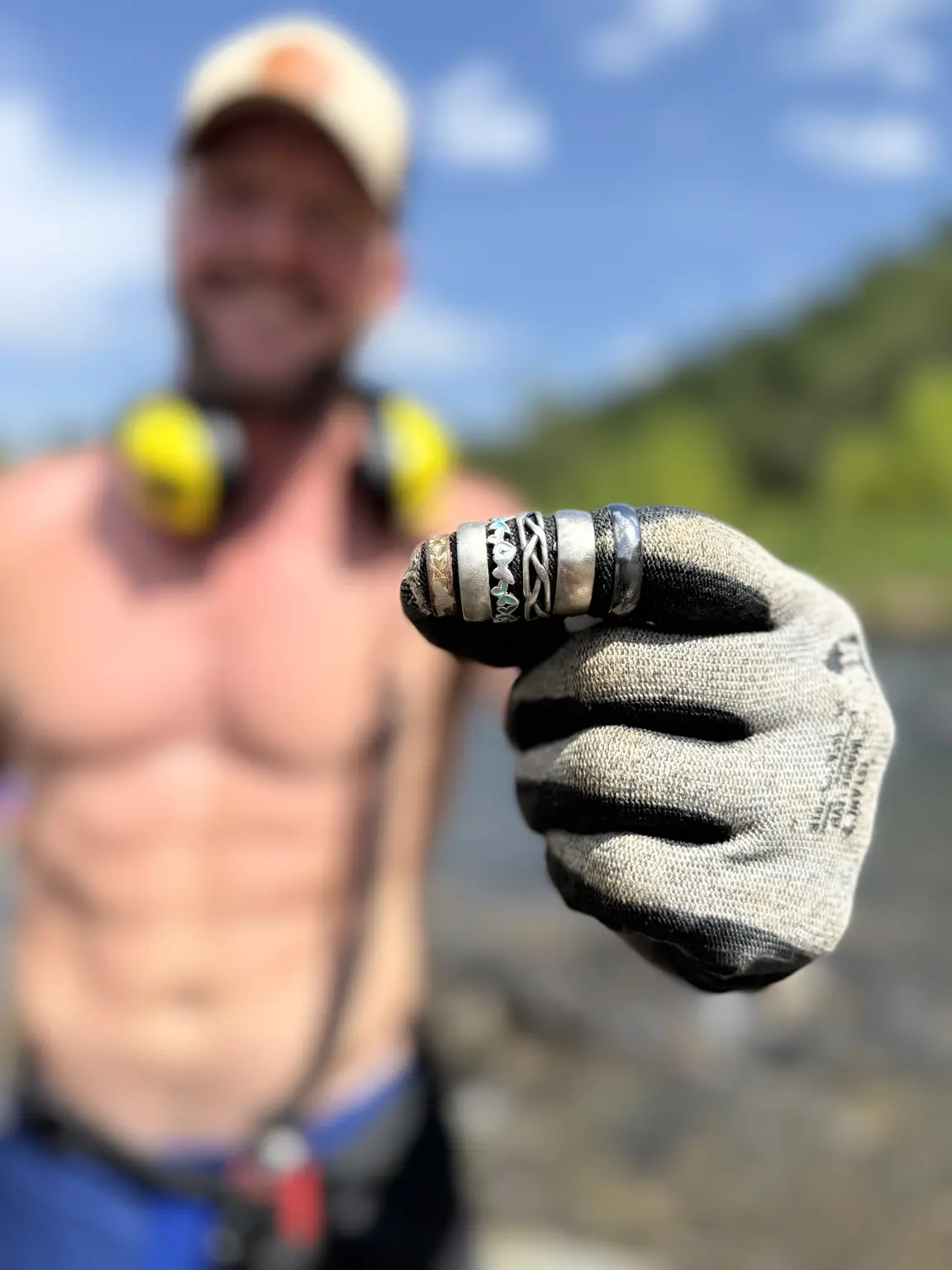
Losing a wedding ring, engagement ring or other sentimental item creates an immediate urge to search everywhere. People retrace their steps, rake through grass, move furniture, sift sand or begin looking for a metal detector to rent.
Sometimes a rental detector is enough. In other situations, the search area, equipment, conditions or way the item was lost make an experienced ring finder the better option.
Before deciding, protect the most valuable thing you still have: information about the loss.
Before equipment comes out
What to do before searching
- Stop unnecessary activity in the area. Avoid mowing, raking, dragging equipment, moving piles, allowing heavy foot traffic or changing the site more than necessary.
- Mark the best-known location. Use a map pin, visible landmark, photograph or temporary marker.
- Write down the timeline. Record when the item was last confirmed, what happened next and every route or activity that followed.
- Take wide and close photographs. Wide photographs preserve the overall setting. Close photographs record landmarks and likely loss points.
- Protect access and permission. If the property is not yours, confirm that the owner or responsible authority permits a search.
Those details often matter more than the brand or price of the detector.
When renting a metal detector may make sense
A rental can be a reasonable choice when:
- The search area is small, dry and clearly defined
- You know the missing item contains enough detectable metal
- The location has relatively little metal trash or interference
- You have time to learn the controls and test the detector before searching
- The terrain is safe and easy to cover
- You own the property or already have permission
Before searching, test the detector using a similar ring or metal object placed safely on the surface. Do not assume that a setting labeled “gold,” “jewelry” or “coins” will identify every ring correctly.
Gold rings can produce signals in the same general ranges as pull tabs, foil and other common trash. Aggressively rejecting unwanted targets may also reject the ring you are trying to find. Search technique and coverage are just as important as detector settings.
Why a rental search sometimes fails
Owning or renting a detector does not automatically create a complete search. Common problems include:
- Searching the remembered location instead of reconstructing the person’s movements
- Swinging too quickly or holding the search coil too high
- Leaving gaps between passes
- Changing settings without testing the missing item or a similar object
- Rejecting signals that resemble foil, pull tabs or iron
- Searching only the obvious area when the item may have traveled farther
- Moving soil, grass, sand or debris before documenting the original conditions
- Treating a weak or inconsistent signal as proof that nothing is present
A person can walk across the correct location several times and still miss the target if coil position, coverage, settings or surrounding metal interfere with the signal.
When an experienced ring finder may be the better choice
Consider calling an experienced recovery service when:
- The item is a wedding ring, engagement ring, heirloom or irreplaceable keepsake
- Several possible loss locations must be eliminated efficiently
- The search area is large or poorly defined
- The item was lost during work, sports, yard maintenance, livestock care or travel
- The location contains fences, utilities, structures or heavy metal trash
- The item may be in a lake, river or other water location
- Sand, mud, vegetation, slopes or difficult terrain complicate the search
- Other people have already searched without success
- Access, safety or property damage must be carefully managed
An experienced ring finder brings more than equipment. A methodical search starts by reconstructing the loss, defining probability areas, selecting the right detector or recovery tools and covering the location systematically. The search may change as new evidence appears.
No responsible service can guarantee that an item will be found. The advantage is an organized attempt built around the circumstances instead of random coverage.
That approach helped recover an 18K gold ring from a Blanchard yard after three possible loss locations were reduced to a logical search order.
Can a metal detector find a gold wedding or engagement ring?
Yes, gold wedding and engagement rings are normally detectable, but their signals vary with size, shape, alloy, orientation, depth, soil, water conditions and nearby metal. A thin gold band may respond differently from a large class ring. White gold, platinum, silver, tungsten and stainless items can also produce different responses.
The detector cannot read sentimental value. A valuable ring may sound much like ordinary trash, which is why knowing the likely search area and properly investigating repeatable signals matters. A careful grid recovered a wedding ring from a sand volleyball court within minutes.
What about phones, keys, knives and other valuables?
Many lost items contain enough metal to be detected, including phones, keys, tools, knives, watches and some pieces of equipment. Detectability depends on the materials, depth, orientation, surrounding interference and the detector being used.
The circumstances still determine the search. A knife lost while cutting hay-bale twine requires a different plan from keys dropped beside a dock or a phone lost along a route through tall grass.
What if people have already searched the area?
Do not assume the item is gone simply because a visual search or another detector search failed. Many successful recoveries happen after owners, friends or family members have already looked for hours.
Tell the ring finder exactly what was searched, which equipment was used, whether the ground or sand was moved and whether the area has changed. Previous searching may alter the plan, but it does not automatically eliminate the possibility of recovery.
Land recovery and underwater recovery are different
Water adds changing depth, visibility, current, bottom conditions, entanglement hazards, access issues and safety limits. A waterproof detector does not make every water search safe or practical.
Ring & Relic Recovery evaluates each water location individually. Derik is a certified diver, but depth alone does not determine whether a search can be conducted. Current, visibility, access, hazards and operating conditions all matter.
Photographs taken at the time of a water loss can be exceptionally helpful. Shorelines, docks, trees, bends, entry points and other fixed landmarks may allow the search area to be reconstructed even after water conditions change.
See the different conditions behind family heirloom rings recovered from an Oklahoma lake and an extended seven-hour Oklahoma river search.
Information to send a ring finder
Provide as much of the following as possible:
- The nearest address or safe meeting location
- What was lost and what metal it may contain
- When it was last confirmed
- What happened immediately before and after the loss
- Every possible location or route
- Wide photographs of the area
- Close photographs of landmarks or likely loss points
- A photograph or description of the missing item
- Approximate water depth and conditions, if applicable
- Property ownership and permission information
- Changes since the loss, including mowing, rain, grading, traffic or searching
An imperfect memory is normal. The purpose of gathering details is not to assign blame—it is to make the search more efficient.
How Ring & Relic Recovery handles recent losses
Ring & Relic Recovery provides insured Oklahoma lost-ring and valuables recovery, with regional and nationwide projects considered individually. Searches may involve yards, fields, sand, private property, lakes, rivers and other difficult locations where permission and conditions allow.
Projects are quoted individually. A destination and search fee is due upon arrival, with an additional recovery fee or agreed reward when the item is found. Travel, water work, access, conditions and the estimated search area may affect the quote.
Every recovery is approached honestly and methodically. No find is guaranteed, private search locations are protected and recovered trash or debris is removed rather than returned to the area.
Preserve the location and ask before conditions change
If the missing item matters, do not wait until after mowing, grading, heavy traffic, changing water levels or repeated random searching. Mark the location, record the story, take photographs and ask whether a focused recovery search is practical.